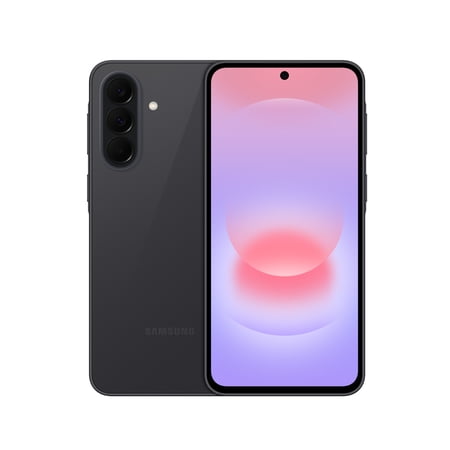


Start with what you take pictures of. A phone that spends its time framing faces indoors or capturing receipts for work places different demands on the camera from one used for wildlife or stage performances. Google advertises up to 120x zoom on this Pixel 11 Pro. Treat that ceiling as a description of available reach and look at sample images at the distances you actually use.
The 6.3-inch Super Actua screen leaves room to check framing and make quick edits without committing to an XL-sized display. The 256GB storage tier gives you room for apps and local media. If you shoot long videos and travel with downloaded entertainment, check how much space those habits take up today, then allow room for the system and apps.
Before you switch
The listing identifies the US model and describes it as unlocked. Check activation with your carrier, especially if you’re moving a line from a provider that uses its own device approval list. Match a new case to the exact Pro model so the camera opening and buttons line up.
The listing advertises IP68 protection. Look up the manufacturer’s care and coverage terms if the phone will spend time around water or sand. Skip this screen size if most of your edits need a larger preview, and read the guide to buying a previous-generation phone if the camera tools you already have cover your needs.
What reviewers say
WIRED covered the Pixel 11 Pro alongside the larger Pro XL. The reviewer appreciated the bright display and improvements to the camera experience, but the standout software change was voice typing. In testing, the phone could clean up speech disfluencies and handle more complex dictation than the reviewer expected. WIRED was less impressed with the rear indicator light and reported graphics issues in demanding games. That mix makes the review particularly relevant if your priorities are dictation and photography, with gaming further down the list.
Sources: WIRED