
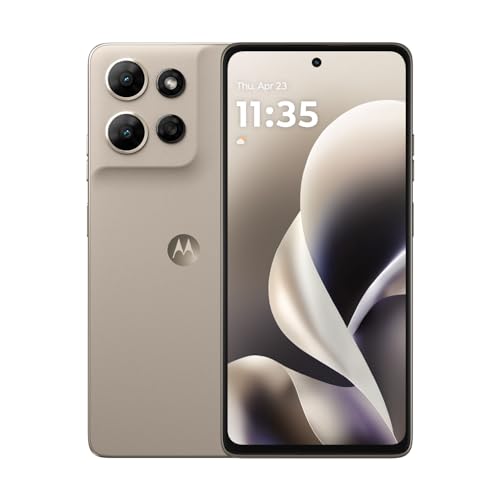


This Moto G Power combines an unlocked US configuration with a straightforward memory and storage split. The seller lists 8GB of memory and 128GB of storage. Memory gives open apps working space, while storage is where the phone keeps apps and files after you close them. If you keep navigation, music and messages running during a commute, memory is relevant. If you carry offline playlists and maps for several trips, pay closer attention to storage.
What the listing leaves open
Motorola highlights a 50MP camera and a mode called RAM Boost. Check the actual camera output at the times you take most of your pictures. For memory, judge the phone on its physical RAM and look up how any boost setting works before treating it as a reason to buy.
This is a candidate for routine work and personal use. If your phone doubles as your main game system or video editor, look for measurements in your specific apps before choosing it. Prospective buyers who want a specific screen size or refresh rate should confirm the details for the Pure Cashmere model.
Before moving a SIM or porting your number, check your account and network compatibility against the exact US model. Match the case to the 2026 Power specifically. The phone buying guide can help you compare it with alternatives that emphasize other priorities.
What reviewers say
Tom’s Guide reviewed the blue configuration with the same advertised memory and storage. It found battery life a strength, while overall performance left less room for demanding work. That trade-off is important if the phone will spend hours running maps or playing audio and only occasionally open a game. The outlet’s measurements are a better reference for that balance than the product name. If you’re deciding between this and a faster phone, start with the type of work that actually slows down your current handset.
Sources: Tom’s Guide


