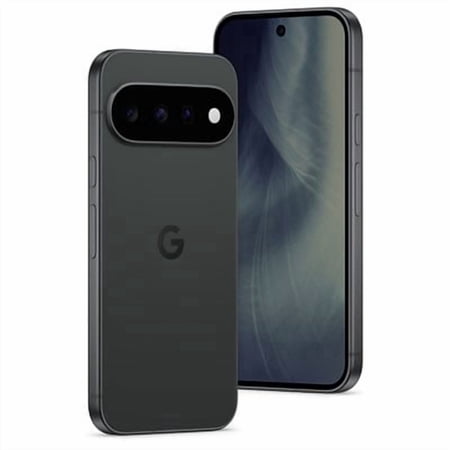
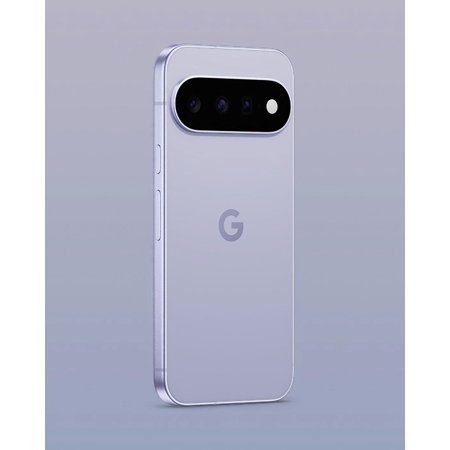
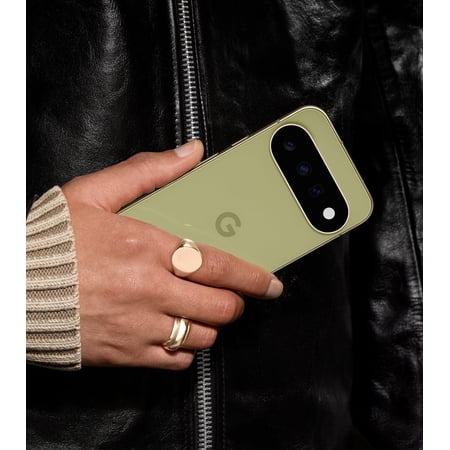
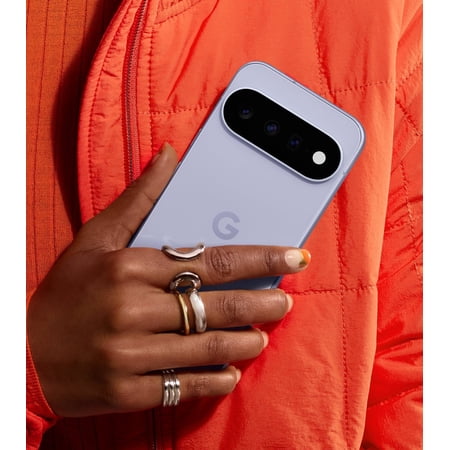

The Pixel 11 in this listing is the Obsidian version with 256GB of internal storage. The 6.3-inch screen is the main reason to put it on a shortlist if you read, shoot and edit on your phone but prefer to avoid a larger handset. If you regularly check spreadsheets or watch long videos on the go, try a screen of this size with your preferred text settings before committing.
What the screen changes
An OLED panel can darken individual pixels, which helps keep dark interface elements distinct from bright ones. The advertised 60 to 120Hz range gives the screen room to refresh faster during motion, so scrolling can look more fluid. Peak brightness is a different measurement from sustained brightness across the whole display. If you spend much of the day outdoors, judge readability under direct light as well as in a shop.
The Tensor G6 is listed alongside Gemini. If a particular voice or photo feature matters to you, check what it needs to run, including language, account and connectivity requirements. For storage, add up the space occupied by your photos and offline downloads on your current phone before deciding what to transfer.
Check the US model code with the seller and run it through your carrier’s compatibility checker before moving your number. If you’re still weighing screen size and storage, the phone buying guide can help you narrow the shortlist.
What reviewers say
Tom’s Guide found the Pixel 11’s brighter display and photo tools useful, especially for people who create and edit on the phone. The reviewer was less impressed by the change in benchmark performance and battery life from the previous generation. Read that comparison if you already have a recent Pixel and are hoping for a noticeable jump in speed or endurance. If you’re coming from an older device, the display and camera workflow are more useful points of comparison.
Sources: Tom’s Guide